
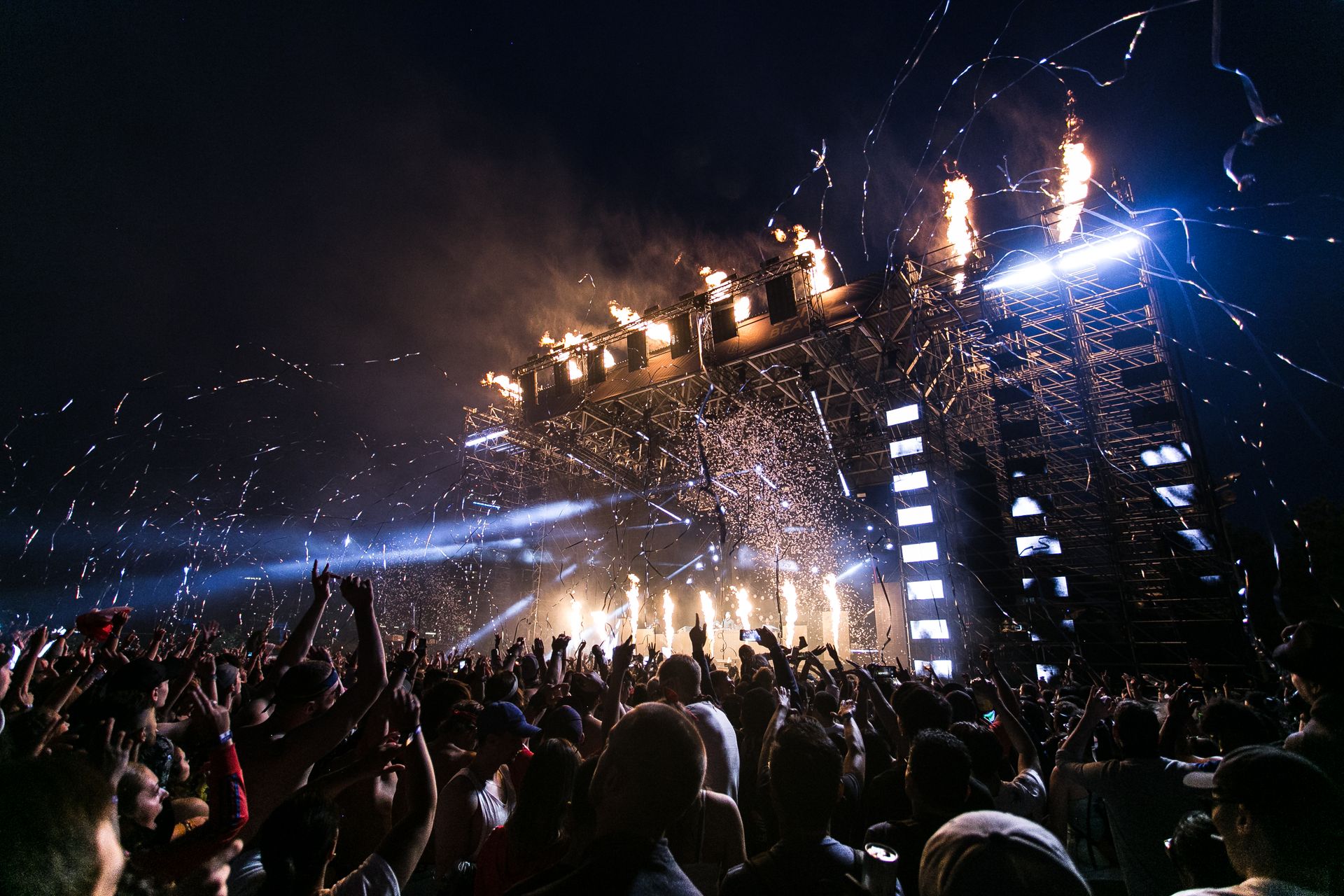
Public venues such as stadiums, concert halls, convention centers, fairgrounds, and entertainment complexes face an increasingly complex security environment. From physical threats and targeted violence to cyber risks and operational disruptions, venue managers must be prepared to safeguard visitors, employees, and critical infrastructure. To support these efforts, the Public Venue Security Resources Guide developed by the Cybersecurity and Infrastructure Security Agency (CISA) provides a comprehensive collection of tools, training opportunities, and best-practice guidance designed to enhance venue security and resilience.
A Comprehensive Security Resource
The Public Venue Security Resources Guide is designed specifically to help venue managers strengthen the security posture of their facilities against evolving threats. According to CISA, the guide brings together resources covering risk management, cybersecurity considerations, threat awareness, suspicious behavior recognition, and coordination with federal, state, and local partners.
Rather than functioning as a single security manual, the guide serves as a centralized resource hub, directing venue operators to practical materials that can be integrated into existing security programs and emergency preparedness plans.
Addressing Modern Threats
Today’s public venues must contend with a broad range of risks. Traditional physical security concerns remain important, but cyber threats targeting operational technology, access control systems, and communications networks have become increasingly significant. The guide helps organizations understand these interconnected risks and encourages a holistic approach to security planning.
By emphasizing both physical and cyber resilience, CISA recognizes that successful security programs require coordination across multiple disciplines, including facility management, information technology, emergency response, and law enforcement.
Focus on Risk Management
A key component of the guide is its emphasis on risk management. Effective security begins with identifying potential vulnerabilities, assessing threats, and prioritizing mitigation measures. The resources provided by CISA help venue operators evaluate their unique risk landscape and implement security measures that align with their operational needs and available resources.
This risk-based approach allows venues of varying sizes and capacities to develop tailored security strategies rather than relying on a one-size-fits-all model.
Enhancing Threat Awareness and Detection
Recognizing suspicious behavior before an incident occurs is one of the most effective methods of preventing security events. The guide includes resources that promote situational awareness and educate staff on indicators of potential threats. By training employees, security personnel, and event staff to identify unusual behaviors and report concerns appropriately, venues can improve their ability to detect and respond to emerging risks.
This proactive mindset helps create a culture of security that extends beyond dedicated security teams and involves the entire organization.
Training and Workforce Preparedness
Security technologies and policies are only as effective as the people implementing them. The guide highlights training opportunities that help venue personnel develop the knowledge and skills needed to manage security challenges. These training resources support preparedness, emergency response planning, incident reporting, and coordination with partner agencies.
Regular training and exercises allow venues to test procedures, identify gaps, and improve overall readiness for both routine operations and emergency situations.
Strengthening Partnerships
One of the guide’s most valuable themes is collaboration. Public venue security depends on strong relationships between venue operators and public safety partners. The resources encourage coordination with local law enforcement, emergency management agencies, public health officials, and federal partners before, during, and after major events.
These partnerships enhance information sharing, improve incident response capabilities, and help venues access specialized expertise and support when needed.
Building Resilient Public Spaces
As threats continue to evolve, venue operators need access to reliable, actionable information that supports informed decision-making. The Public Venue Security Resources Guide serves as a valuable resource for organizations seeking to strengthen security, improve preparedness, and enhance operational resilience. By combining risk management principles, cybersecurity awareness, workforce training, threat recognition, and interagency collaboration, the guide helps create safer environments for the millions of people who gather at public venues each year.
Conclusion
Security is no longer limited to physical barriers and access control systems. Modern venue protection requires an integrated strategy that addresses both physical and digital risks while fostering strong partnerships across the public and private sectors. CISA’s Public Venue Security Resources Guide provides venue managers with the knowledge, tools, and resources necessary to meet these challenges and build more secure and resilient facilities for the future.