
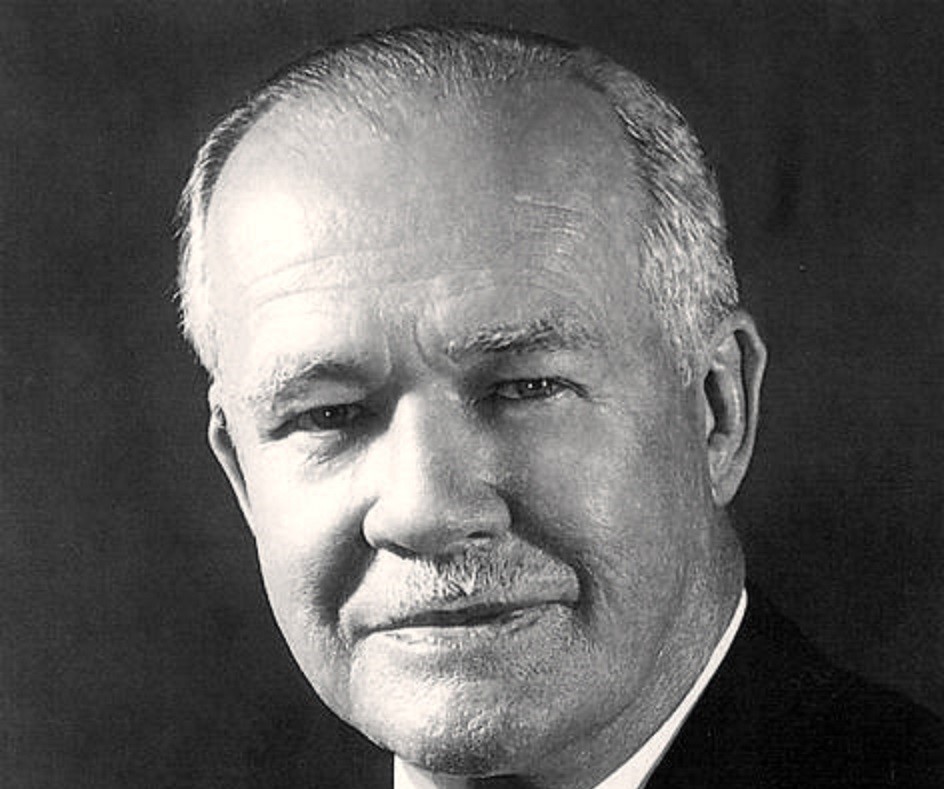
The fall of the Philippines in 1942 was one of the darkest moments for the Allied cause in the Pacific. Following the surrender of American and Filipino forces on Bataan and Corregidor, Japan appeared to have secured control of the archipelago. Yet in the mountains, jungles, and remote coastal regions of Mindanao, resistance continued. At the center of this effort was Wendell Welby Fertig, an American engineer and Army Reserve officer who organized one of the most effective guerrilla movements of the Second World War. Through a combination of leadership, organizational skill, and cooperation with thousands of Filipino fighters and civilians, Fertig built a resistance force that challenged Japanese authority throughout the occupation and helped prepare the way for the liberation of the Philippines.
Early Life and Career
Wendell Welby Fertig was born on December 16, 1900, in La Junta, Colorado. He attended the Colorado School of Mines but did not complete a degree there. Instead, he pursued a successful career in civil engineering and mining, working on projects throughout the American West and later in the Philippines. His professional experience taught him how to manage personnel, solve logistical problems, and operate in difficult environments, skills that would later prove invaluable during wartime.
In addition to his civilian profession, Fertig served as an officer in the United States Army Reserve. As tensions rose in the Pacific prior to World War II, he was called to active duty and assigned as an engineer officer in the Philippines.
War Comes to the Philippines
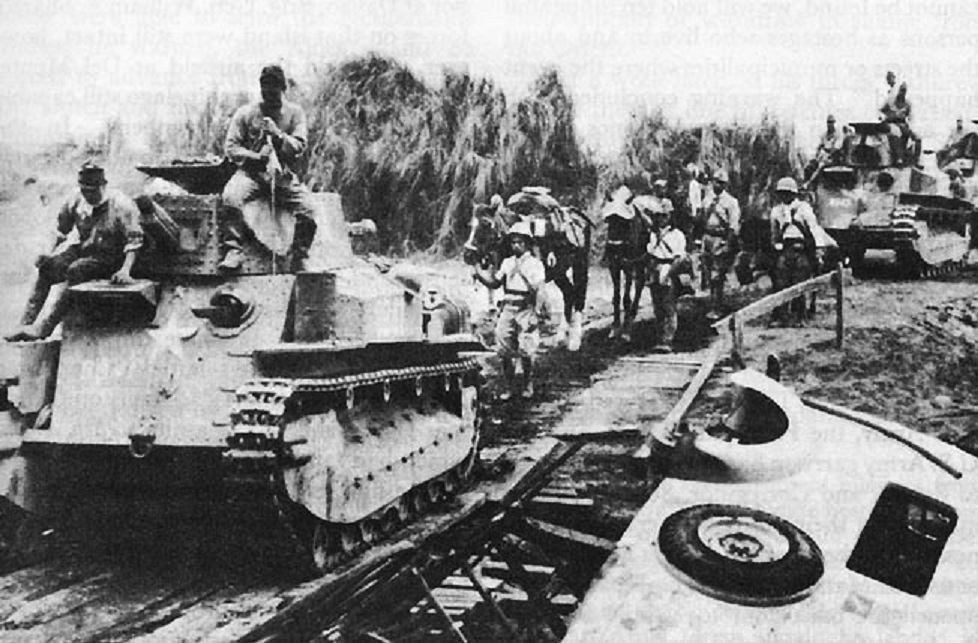
The Pacific War began for the Philippines on December 8, 1941, only hours after the Japanese attack on Pearl Harbor. Japanese forces launched a series of invasions throughout the archipelago, forcing American and Filipino defenders into a fighting retreat.
Over the following months, Allied resistance steadily collapsed under overwhelming military pressure. The Bataan Peninsula fell on April 9, 1942, and the island fortress of Corregidor surrendered on May 6. With these defeats, organized resistance in the Philippines officially came to an end.
Fertig was stationed on Mindanao during these events. Faced with orders to surrender, he chose another path. Rather than become a prisoner of war, he resolved to continue fighting.
A Decision to Resist
When Fertig began organizing resistance on Mindanao, conditions were chaotic. Communications with Allied headquarters had been severed. American forces were scattered in small groups across the island. Supplies were limited, and Japanese troops controlled major towns, ports, and transportation routes.
Fertig quickly recognized that scattered resistance groups would accomplish little unless they could be united. Across Mindanao, many Filipino soldiers, local officials, and civilians had already begun forming guerrilla bands. Fertig worked to bring these groups together under a common command structure.
His ability to forge cooperation among diverse factions became one of the keys to the movement’s success. Rather than simply conducting isolated attacks, Fertig sought to create a disciplined and sustainable resistance organization capable of surviving for years.
Building the Mindanao Guerrilla Movement
Over time, Fertig transformed scattered resistance groups into a remarkably sophisticated military organization. The guerrilla movement established military districts, intelligence networks, supply systems, medical services, and training programs.
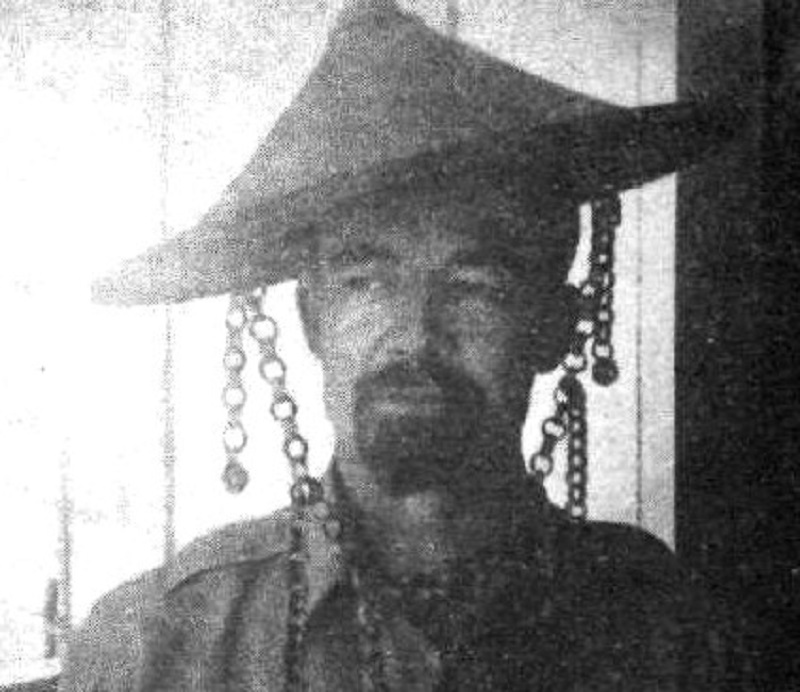
Fertig was eventually recognized as commander of the Tenth Military District on Mindanao. Although his actual rank was lower, he permitted himself to be presented as a brigadier general, believing that a general officer would command greater respect and encourage unity among the resistance forces. Allied authorities later tolerated the arrangement because of the movement’s effectiveness.
At its peak, Fertig’s organization claimed tens of thousands of members, although not all were armed combatants. The force consisted overwhelmingly of Filipinos, supported by a smaller number of Americans who had avoided capture. Together they created one of the largest guerrilla movements operating against the Japanese anywhere in the Pacific.
A Government in the Mountains
Fertig’s achievement extended far beyond military operations. In territories outside effective Japanese control, the resistance established civil administrations that provided a measure of law, order, and continuity.
Local governments continued functioning in many areas under guerrilla protection. Community leaders collected information, organized supplies, maintained local services, and helped sustain public support for the resistance. While conditions remained difficult throughout the occupation, these institutions preserved a sense of legitimate government authority and demonstrated that Japanese control was far from absolute.
For many civilians, the guerrilla movement became both a military force and a symbol of continued national resistance.
Reconnecting with the Allied War Effort
One of Fertig’s greatest accomplishments was re-establishing communication with the outside world. During the early years of the occupation, resistance forces operated with little knowledge of Allied plans or progress in the wider war.
Eventually, Fertig’s organization succeeded in establishing radio contact with General Douglas MacArthur’s headquarters in Australia. The resistance developed a substantial communications network, allowing information to flow between Mindanao and Allied command.
This connection transformed the strategic value of the movement. Guerrilla operators provided reports on Japanese troop concentrations, shipping activities, airfields, supply depots, and local conditions. These intelligence reports became an important source of information for Allied planners preparing future operations in the Philippines.
Fighting a Guerrilla War
Fertig understood that his forces could not defeat Japanese troops through conventional warfare. Instead, they relied on guerrilla tactics designed to disrupt enemy operations and make occupation increasingly difficult.
Resistance fighters conducted ambushes against patrols, attacked isolated outposts, sabotaged communications and transportation networks, and gathered intelligence on Japanese movements. Small, mobile units exploited their knowledge of local terrain to avoid large-scale confrontations while maintaining constant pressure on the enemy.
The persistence of these operations forced Japanese commanders to devote significant resources to security and anti-guerrilla campaigns. Troops that might otherwise have been deployed elsewhere in the Pacific remained tied down on Mindanao, reducing Japan’s overall military flexibility.
Partnership with Filipino Resistance Fighters
The success of the Mindanao resistance depended fundamentally on Filipino participation. Although Fertig served as the movement’s senior commander, the overwhelming majority of the fighters, scouts, couriers, and support personnel were Filipinos.
Local leaders played critical roles in recruiting volunteers, gathering intelligence, transporting supplies, and organizing communities. Farmers provided food, fishermen helped move personnel and materials between isolated coastal areas, and ordinary citizens risked severe punishment by supporting the resistance.
Fertig’s willingness to work alongside Filipino commanders contributed greatly to the movement’s cohesion. The guerrilla campaign was ultimately a joint effort that reflected the determination of Filipinos and Americans to continue the fight despite defeat.
The Return of Allied Forces
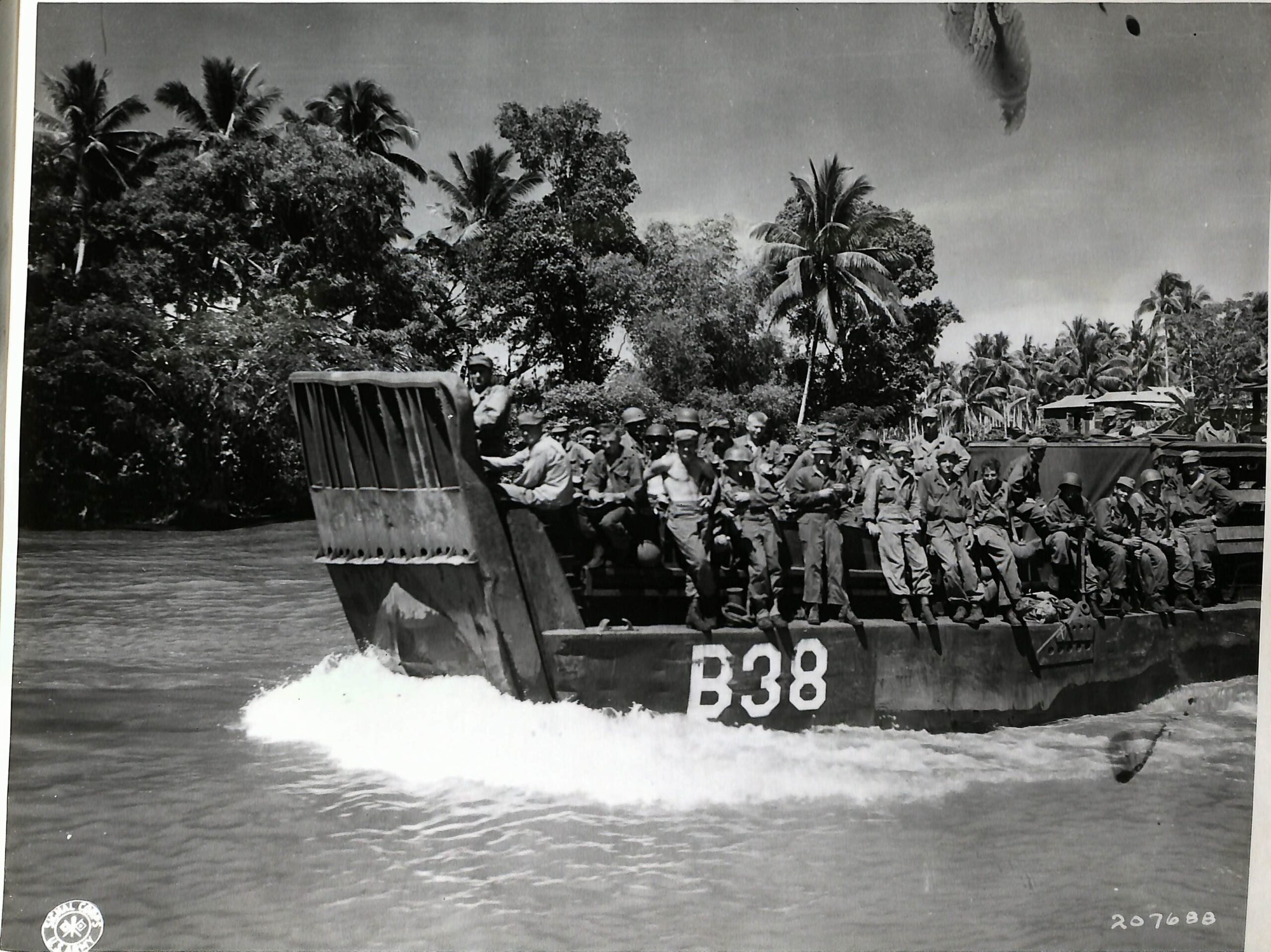
By late 1944, Allied forces had begun returning to the Philippines. Years of resistance had given Fertig’s organization extensive knowledge of Japanese positions and local geography. This information proved valuable to commanders planning the liberation campaign.
As American forces advanced across the archipelago, guerrilla units provided intelligence, secured key areas, guided troops through difficult terrain, and conducted operations against Japanese forces. On Mindanao, guerrilla activities helped weaken Japanese control and supported the final liberation of the island.
By the end of the war, the resistance movement had played a significant role in preparing the battlefield for the return of Allied forces.
Recognition and Later Life
For his wartime achievements, Fertig received several major military decorations, including the Distinguished Service Cross and the Distinguished Service Medal. Official citations praised his leadership, organizational abilities, and success in maintaining effective resistance under extraordinarily difficult conditions.
After the war, Fertig continued to serve in the U.S. Army. His experience in guerrilla warfare and resistance operations made him an influential figure in military circles interested in unconventional warfare and psychological operations. He later contributed to the development of U.S. Army psychological warfare programs during the early Cold War.
Fertig retired from military service and spent his later years working in private industry. He died on March 24, 1975.
Legacy
Today, Wendell Fertig is widely regarded as one of the most effective guerrilla leaders in the Pacific Theater during World War II. His most important achievement was not a single battle but the creation of a functioning resistance movement under conditions that seemed hopeless in 1942.
Through careful organization, cooperation with Filipino leaders, and an unwavering commitment to resistance, Fertig helped keep alive the Allied cause on Mindanao throughout the Japanese occupation. His forces gathered intelligence, tied down enemy troops, supported local communities, and assisted in the eventual liberation of the Philippines.
Although less famous than senior commanders such as Douglas MacArthur or Chester Nimitz, Fertig’s achievements remain a remarkable example of how determined leadership and popular support can sustain resistance even after conventional military defeat.
Final Thoughts
The story of Wendell Fertig demonstrates that wars are not always decided solely by large armies and major battles. An engineer by profession, Fertig became the leader of a vast guerrilla movement that survived for nearly three years behind enemy lines. Working alongside thousands of Filipino resistance fighters, he built an organization that challenged Japanese occupation, provided critical intelligence to the Allies, and helped prepare the way for liberation. His leadership on Mindanao remains one of the most significant and successful guerrilla campaigns of the Second World War.
