
On the morning of December 7, 1941, the tranquil waters of Pearl Harbor were shattered by a sudden and devastating attack from the Imperial Japanese Navy. In less than two hours, the United States Pacific Fleet suffered catastrophic losses: battleships lay burning or sunk, aircraft were destroyed on the ground, and thousands of lives were lost. President Franklin D. Roosevelt would later call it “a date which will live in infamy,” as the assault not only marked one of the darkest days in American history but also propelled the United States into World War II. Remembering Pearl Harbor is not simply about recounting the destruction, it is about honoring the courage of those who faced unimaginable chaos and recognizing the moment that reshaped the course of the 20th century.
A Day of Infamy
At 7:55 a.m., waves of Japanese aircraft descended upon Pearl Harbor and nearby airfields. Within two hours, the devastation was immense: eight battleships were damaged or sunk, nearly 20 naval vessels were destroyed or crippled, and over 300 aircraft were lost.
The human toll was staggering. More than 2,400 Americans were killed, including sailors, soldiers, and civilians, while another 1,000 were wounded. The USS Arizona alone accounted for over 1,100 deaths when its forward magazines exploded, engulfing the ship in flames. The USS Oklahoma capsized, trapping hundreds of men inside. Survivors recalled the chaos of treating wounded sailors amid smoke, fire, and destruction.
Japan’s leaders believed crippling the U.S. fleet would secure their dominance in the Pacific. At the time, the United States had imposed economic sanctions and restricted oil exports to Japan in response to its aggression in China and Southeast Asia. Admiral Isoroku Yamamoto, architect of the attack, hoped a decisive blow would discourage America from interfering in Japan’s expansion.
Instead of weakening U.S. resolve, the attack galvanized the nation. On December 8, 1941, President Roosevelt addressed Congress, declaring December 7 “a date which will live in infamy.” Congress swiftly voted to declare war on Japan, bringing the United States fully into World War II. Within days, Germany and Italy declared war on America, expanding the conflict into a truly global struggle.
Legacy and Remembrance
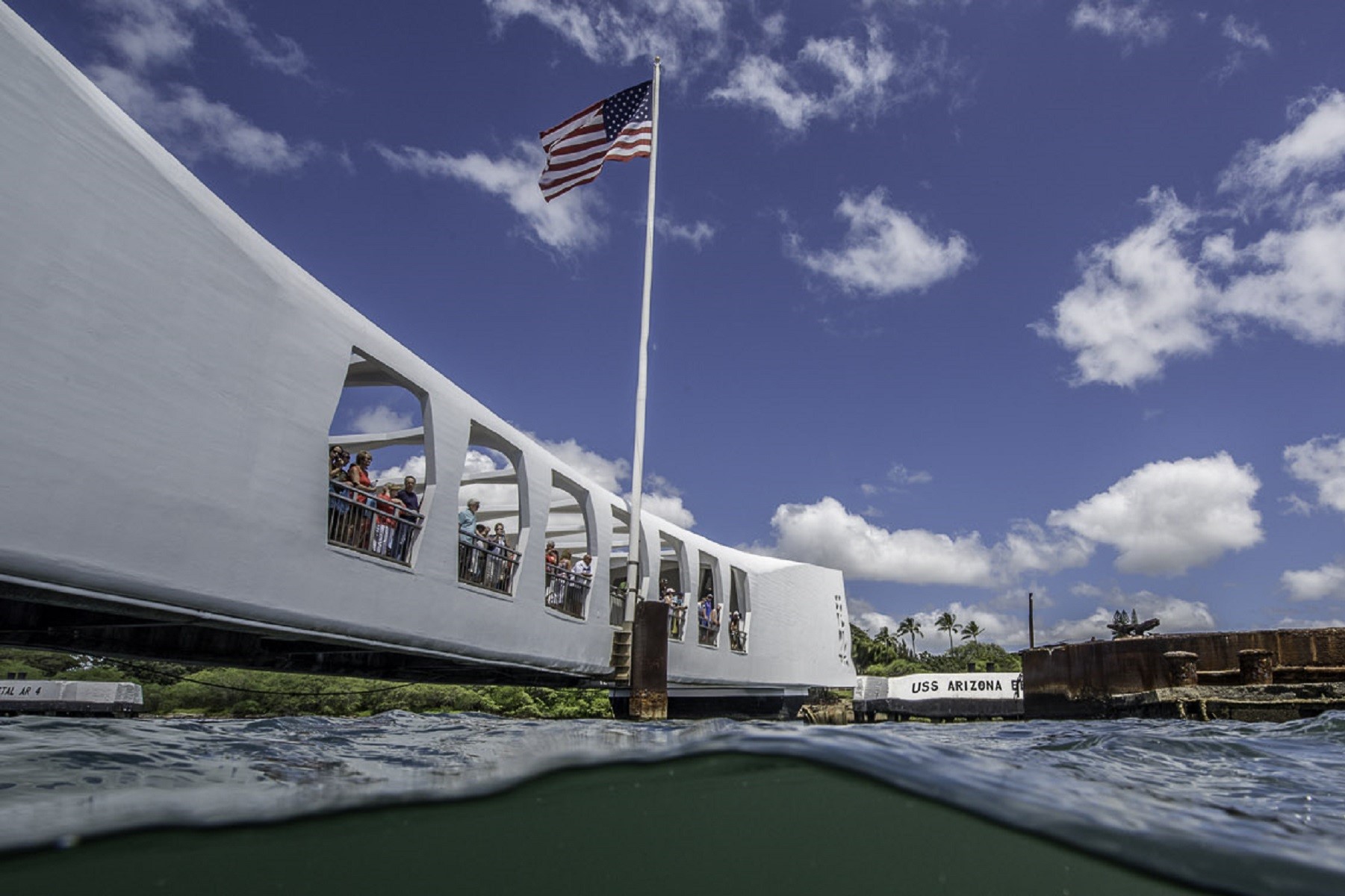
The attack on Pearl Harbor is remembered not only for its destruction but also for the resilience and heroism it inspired. Sailors fought to save their ships, medics treated the wounded under fire, and civilians aided in rescue efforts. Today, the USS Arizona Memorial in Honolulu stands above the sunken battleship, a solemn tribute to those who perished.
Each year, ceremonies on December 7 honor the fallen and remind us of the cost of war. Survivors’ stories ensure that future generations understand both the tragedy and the courage of that day.
Reflection
Pearl Harbor was a turning point in history. It awakened a nation, reshaped global alliances, and set the stage for the eventual defeat of fascism and militarism. Remembering December 7 is not only about honoring the dead but also about reaffirming the values of resilience, unity, and vigilance.
In remembrance, we honor the sacrifice of those who stood in harm’s way and acknowledge the enduring lessons of that fateful morning.

Resource
Pearl Harbor National Memorial (U.S. National Park Service)