
The Department of War has announced a significant restructuring of its special operations leadership, reviving one of the most recognizable names in American military history: the Office of Strategic Services (OSS).
On November 12, 2026, Secretary of War Pete Hegseth signed a memorandum (click here to read) reorganizing the Assistant Secretary of War for Special Operations and Low-Intensity Conflict (SO/LIC) into the newly designated Office of Strategic Services. The move elevates the office’s status within the Department and grants it expanded authority, personnel, and resources.
Elevating Special Operations Leadership
Under the reorganization, the Assistant Secretary will now serve as the Assistant Secretary of War for the Office of Strategic Services, or ASW(OSS). According to Department officials, the office will operate on a level comparable to the military department secretaries, marking a substantial increase in influence over special operations policy and oversight.
The Department has also indicated that legislative proposals are being developed to establish a permanent Under Secretary of Strategic Services position, which would further institutionalize the office’s expanded role.
New Resources and Authorities
The reorganization provides the new OSS with several notable enhancements. The office will receive at least $45 million in annual reallocated funding and gain 100 dedicated positions, including 75 civilian employees and 25 military personnel. It is also being granted direct budgetary and acquisition authority over special operations-specific programs and requirements.
Additional staffing will support the office’s increased responsibilities as it assumes a broader role in overseeing and advocating for U.S. special operations forces.
Addressing Long-Standing Challenges
Secretary Hegseth described the restructuring as a “bold, foundational change” designed to address concerns that special operations forces have been chronically under-resourced. Commanders have argued that limited resources have constrained operational flexibility and reduced the ability to accept certain mission requirements.
Beyond funding and manpower, the reorganization represents a continuation of efforts to strengthen civilian oversight of the special operations enterprise. By elevating the office’s status, Department leaders aim to place oversight of special operations on a level more comparable to the Army, Navy, and Air Force.
Reviving a Historic Name
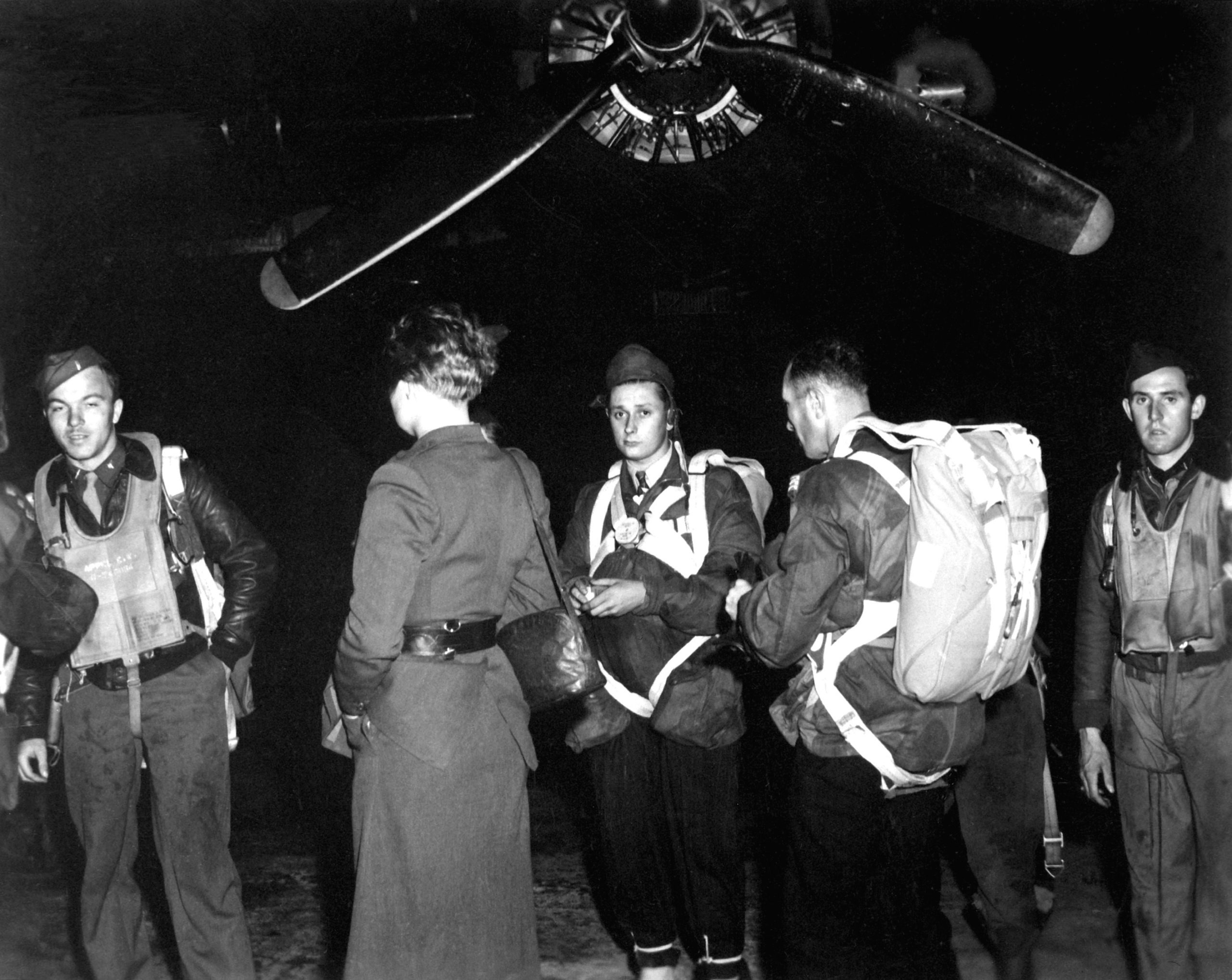
The choice of “Office of Strategic Services” carries significant historical weight.The original OSS served as the United States’ intelligence and special operations organization during World War II. Established in 1942, it conducted espionage, sabotage, unconventional warfare, and support to resistance movements across multiple theaters of combat.
Although the OSS was disbanded in 1945, its legacy continued through several institutions that followed, including the Central Intelligence Agency, Army Special Forces, and other elements of the U.S. special operations community.
Department officials and outside analysts view the revival of the OSS name as both symbolic and practical. It reflects an effort to reconnect modern special operations with the unconventional warfare traditions that helped shape America’s wartime intelligence and special operations capabilities.Integrating Modern Capabilities
Supporters of the reorganization argue that the new OSS framework is intended to better integrate military, intelligence, and other national security functions.
Analysts have noted that the office is designed to bridge authorities traditionally associated with Title 10 military operations and Title 50 intelligence activities. Advocates believe this structure could improve coordination across agencies and provide a more unified approach to unconventional warfare, information operations, and strategic competition.
The move also aligns with broader initiatives aimed at integrating military, intelligence, and law enforcement capabilities within a more cohesive national security framework.
What Comes Next
While the organizational changes take effect immediately, the long-term structure of the new OSS remains dependent on congressional action. Any effort to establish a permanent Under Secretary of Strategic Services position will require legislative approval.
For now, the Department’s decision represents one of the most significant changes to civilian oversight of special operations in recent years. By reviving the OSS name and expanding its authorities, leaders hope to strengthen the nation’s unconventional warfare and special operations capabilities while honoring the legacy of the organization that helped pioneer them during World War II.