
The 17th Rapid Capability Assessment (RCA17) is a collaborative innovation event scheduled to take place April 20–24, 2026, in Chantilly, Virginia. The event is hosted jointly by SOFWERX and ICWERX, in partnership with the U.S. Special Operations Command (USSOCOM) Directorate of Science & Technology (S&T) and the Central Intelligence Agency’s Directorate of Science & Technology (DS&T).
RCA17 is part of USSOCOM’s long‑standing effort to identify, evaluate, and accelerate emerging technologies that can support future Special Operations Forces (SOF) and Intelligence Community (IC) missions.
Theme and Strategic Focus
The 2026 iteration of the event centers on the theme:
“Field‑Forward Operations – Future Challenges for SOF and the IC in Data‑Dense Environments.”
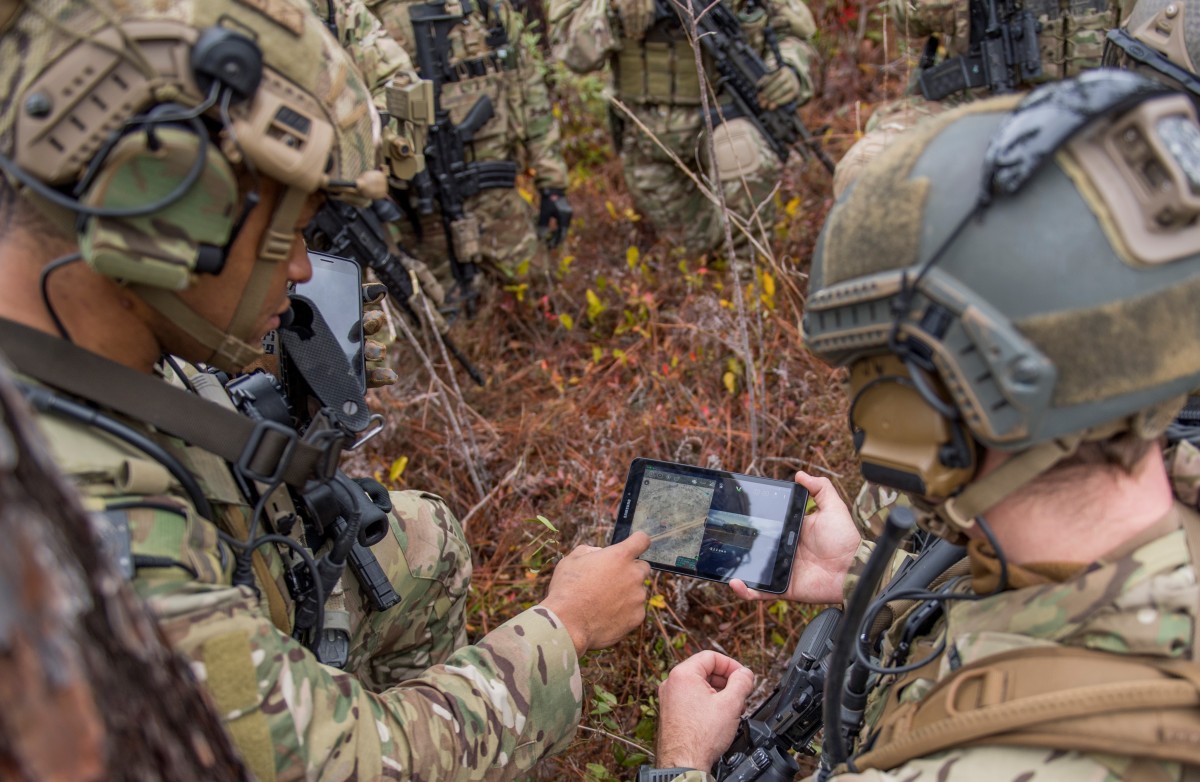
This theme reflects a growing operational need: the ability to collect, process, analyze, and disseminate intelligence in real time or near‑real time, often in austere, contested, or globally distributed environments. As data volumes increase and adversaries become more sophisticated, SOF and IC operators require tools that can handle complex information flows at the tactical edge.
Purpose of RCA17
RCA17 is designed to:
- Identify and assess innovative technologies that can support SOF and IC missions in the 2035 timeframe.
- Engage technology pioneers—from industry, academia, and government—to explore high‑risk, high‑reward concepts.
- Support USSOCOM’s Innovation Cycle, a structured process for discovering and maturing disruptive capabilities.
- Strengthen collaboration between military and intelligence organizations facing shared operational challenges.
Participants will develop and present concepts that address future operational needs, with an emphasis on solutions that can function in data‑rich, resource‑limited environments.
Key Operational Challenges Addressed
RCA17 focuses on technologies and approaches that can improve:
1. Tactical Data Processing
Tools that enable operators to handle large volumes of sensor, intelligence, and operational data at the point of collection.
2. Real‑Time Decision Support
Systems that help SOF and IC personnel make rapid, informed decisions in dynamic environments.
3. Communications in Austere Environments
Capabilities that maintain secure, resilient connectivity even when infrastructure is degraded or denied.
4. Intelligence Integration
Solutions that streamline the fusion of multi‑source intelligence for both analysts and field operators.
Participants and Eligibility
- U.S. citizens only are eligible to participate.
- Submissions for participation are required by February 26, 2026.
Participants typically include:
- Technology startups
- Research institutions
- Defense contractors
- Government laboratories
- Subject‑matter experts in data science, AI/ML, sensors, communications, and cyber operations
Why RCA17 Matters
RCA17 plays a critical role in shaping the future of U.S. special operations and intelligence capabilities. By focusing on 2035 operational needs, the event helps ensure that SOF and IC personnel remain equipped to operate effectively in increasingly complex environments.
The event also strengthens collaboration between USSOCOM and the CIA—two organizations that frequently operate in parallel but benefit from shared innovation pipelines.
Conclusion
The 17th Rapid Capability Assessment (RCA17) represents a forward‑looking effort to identify and accelerate technologies that will define the next generation of SOF and IC operations. By bringing together innovators from across the national security ecosystem, the event aims to address the challenges of field‑forward, data‑intensive missions and ensure that U.S. forces maintain a decisive edge well into the future.
Request to attend as a SME: Click Here to Request to Attend