
Thanksgiving is one of America’s most cherished holidays, celebrated with family gatherings, abundant meals, football games, and expressions of gratitude. Most Americans associate its origins with the famous 1621 harvest feast in Plymouth, Massachusetts, where English settlers and members of the Wampanoag people came together to celebrate a successful harvest.
Yet the popular story leaves out an important historical reality: the 1621 feast did not establish an annual national tradition. While it remains an important event in American history, Thanksgiving as Americans know it today emerged gradually over centuries and was shaped significantly by efforts to promote national unity during times of conflict.
The Origins of Thanksgiving
The gathering at Plymouth in 1621 was one of several early thanksgiving observances in colonial America. Throughout the colonial period, communities regularly proclaimed days of thanksgiving to mark successful harvests, military victories, the end of hardship, or other significant events. These observances varied by colony and region, and there was no nationally recognized Thanksgiving holiday.
For more than a century after the Plymouth feast, thanksgiving celebrations remained local and occasional rather than annual and nationwide.
The Revolutionary Era and National Identity
The first major step toward a nationally recognized Thanksgiving came during and after the American Revolution.
As the colonies fought for independence, the Continental Congress proclaimed several national days of thanksgiving to mark important events and military successes. These observances encouraged Americans to reflect on their shared cause and the sacrifices being made on behalf of the emerging nation.
Following the Revolution, the challenge shifted from winning independence to building a country. In 1789, President George Washington, at the request of Congress, proclaimed November 26 as a national day of thanksgiving and prayer. He called upon Americans to give thanks for the establishment of the new constitutional government and for the blessings enjoyed by the young republic.
Washington’s proclamation represented an important effort to foster national unity and civic identity. However, it did not establish a permanent annual holiday. In the decades that followed, Thanksgiving continued to be observed unevenly, with individual states often choosing their own dates and traditions.
Sarah Josepha Hale’s Campaign
Long before Thanksgiving became a permanent national holiday, one woman worked tirelessly to make that vision a reality.
Sarah Josepha Hale, the influential editor of Godey’s Lady’s Book, spent nearly two decades advocating for a nationally observed Thanksgiving Day. Through editorials, essays, and letters to governors and presidents, Hale argued that a common day of thanksgiving could help strengthen the bonds among Americans.
Her persistent campaign gradually gained support throughout the country and helped lay the groundwork for the holiday’s eventual national adoption.
The Civil War and the Birth of Modern Thanksgiving
The modern Thanksgiving holiday emerged during America’s greatest internal conflict: the Civil War.
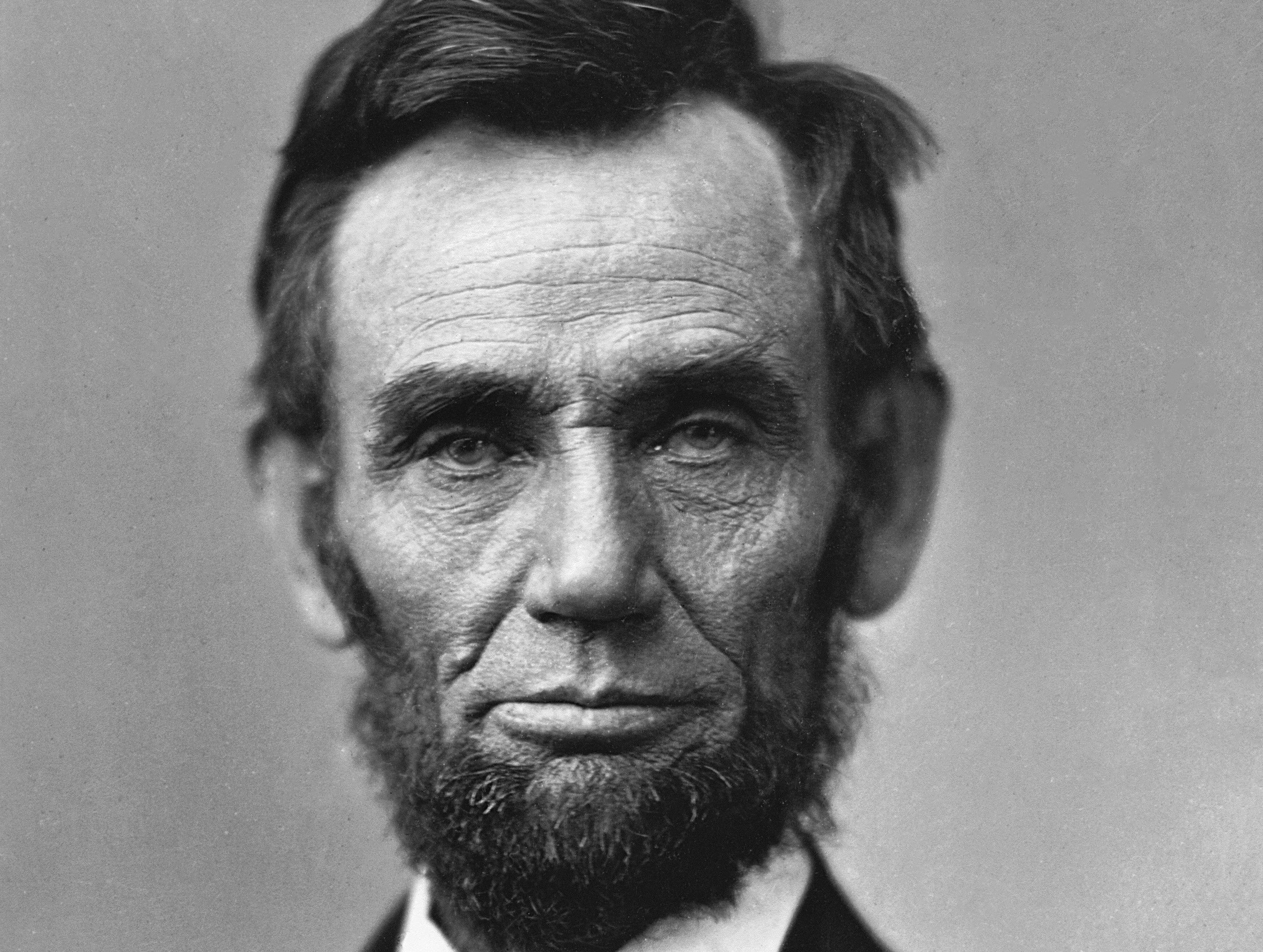
By 1863, the nation was deeply divided. Union and Confederate armies were locked in a devastating struggle, and President Abraham Lincoln sought ways to encourage national unity amid the war.
On October 3, 1863, Lincoln issued a proclamation designating the last Thursday of November as a national day of Thanksgiving. He encouraged Americans to recognize the nation’s blessings despite the hardships of war and to offer prayers for healing, peace, and reconciliation.
Many historians regard Lincoln’s proclamation as the founding moment of the modern Thanksgiving holiday. Unlike earlier presidential declarations, it established a recurring national observance that continued year after year. Lincoln’s action was also influenced by years of advocacy from Sarah Josepha Hale, whose efforts had helped elevate Thanksgiving into a unifying national tradition.
A Holiday Strengthened by Wartime Challenges
While Thanksgiving is not a military holiday, some of the most important milestones in its development occurred during periods of national conflict.
The Revolutionary era helped establish the idea of Thanksgiving as a national observance, while the Civil War provided the circumstances that transformed it into an enduring annual holiday. In both instances, American leaders recognized the value of shared traditions in strengthening national unity during uncertain times.
Rather than being created by the military, Thanksgiving was shaped by civic and political leaders who sought to bring Americans together during moments when the nation faced extraordinary challenges.
The Enduring Legacy
Today, Thanksgiving is often viewed through the lens of family traditions, festive meals, and holiday entertainment. Yet its history reveals a deeper story.
The holiday did not emerge from a single event in 1621, nor did it develop as an uninterrupted tradition from colonial times. Instead, it evolved through a combination of local customs, presidential proclamations, public advocacy, and efforts to foster national unity.
When Americans gather around the Thanksgiving table each year, they participate in a tradition that reflects both gratitude and resilience. From the harvest celebrations of the colonial era to the nation-building efforts of Washington, Hale, and Lincoln, Thanksgiving has become a reminder that shared traditions can help unite a people during even their most difficult times.