
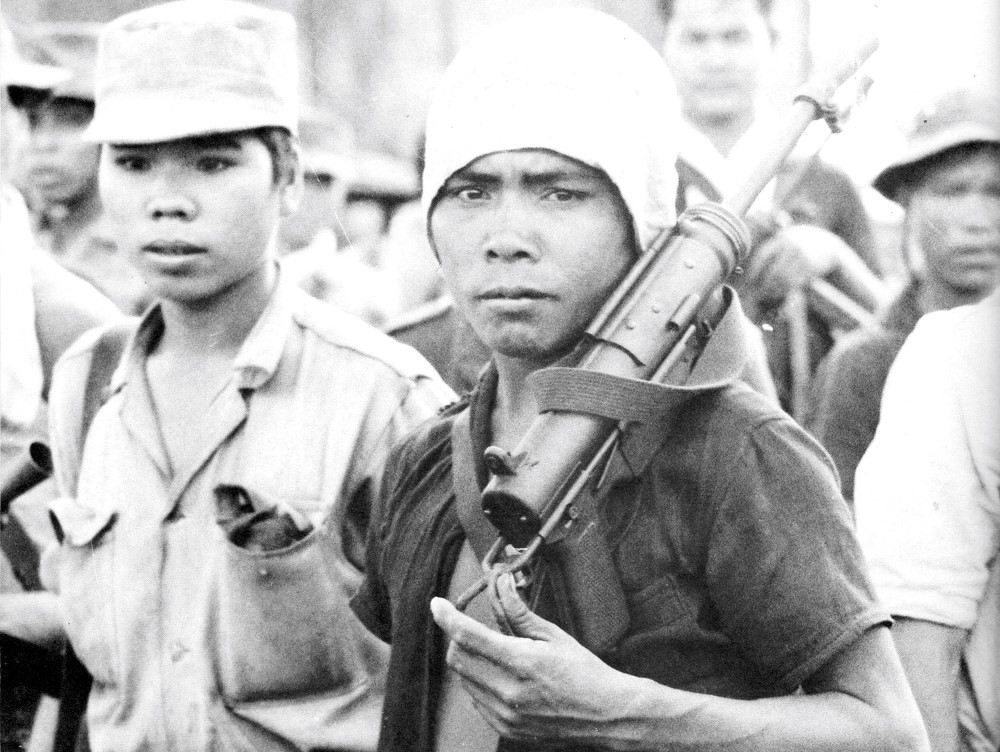
Among the many groups that played a significant role in the Vietnam War, few have received less recognition than the Montagnards, the indigenous peoples of Vietnam’s Central Highlands. Renowned for their knowledge of the rugged highland terrain and their effectiveness as scouts and guerrilla fighters, thousands of Montagnards became key allies of the United States and South Vietnam during the conflict. Their contributions to military operations, intelligence gathering, and village defense made them indispensable partners, while the heavy sacrifices they endured left a lasting mark on their communities.
The Peoples of the Central Highlands
The term “Montagnard,” meaning “mountain dweller” in French, refers collectively to dozens of indigenous ethnic groups living in Vietnam’s Central Highlands. Among the largest are the Jarai, Ede (Rhade), Bahnar, Koho, Mnong, and Stieng peoples. Distinct from the ethnic Vietnamese majority in language, culture, and social traditions, these communities had inhabited the highlands for centuries before the modern Vietnamese state expanded into the region.
During the French colonial period and later under the Republic of Vietnam (South Vietnam), many Montagnards experienced political and economic marginalization. At the same time, missionary activity led to significant numbers converting to Christianity. By the early 1960s, the combined Montagnard population was generally estimated at roughly one million people living throughout the strategically important Central Highlands.
Why the Montagnards Allied with the United States
As the Vietnam War escalated, the Central Highlands became a critical battleground. The region’s dense jungles, mountains, and remote villages made conventional military operations difficult, but they were well known to the Montagnards.
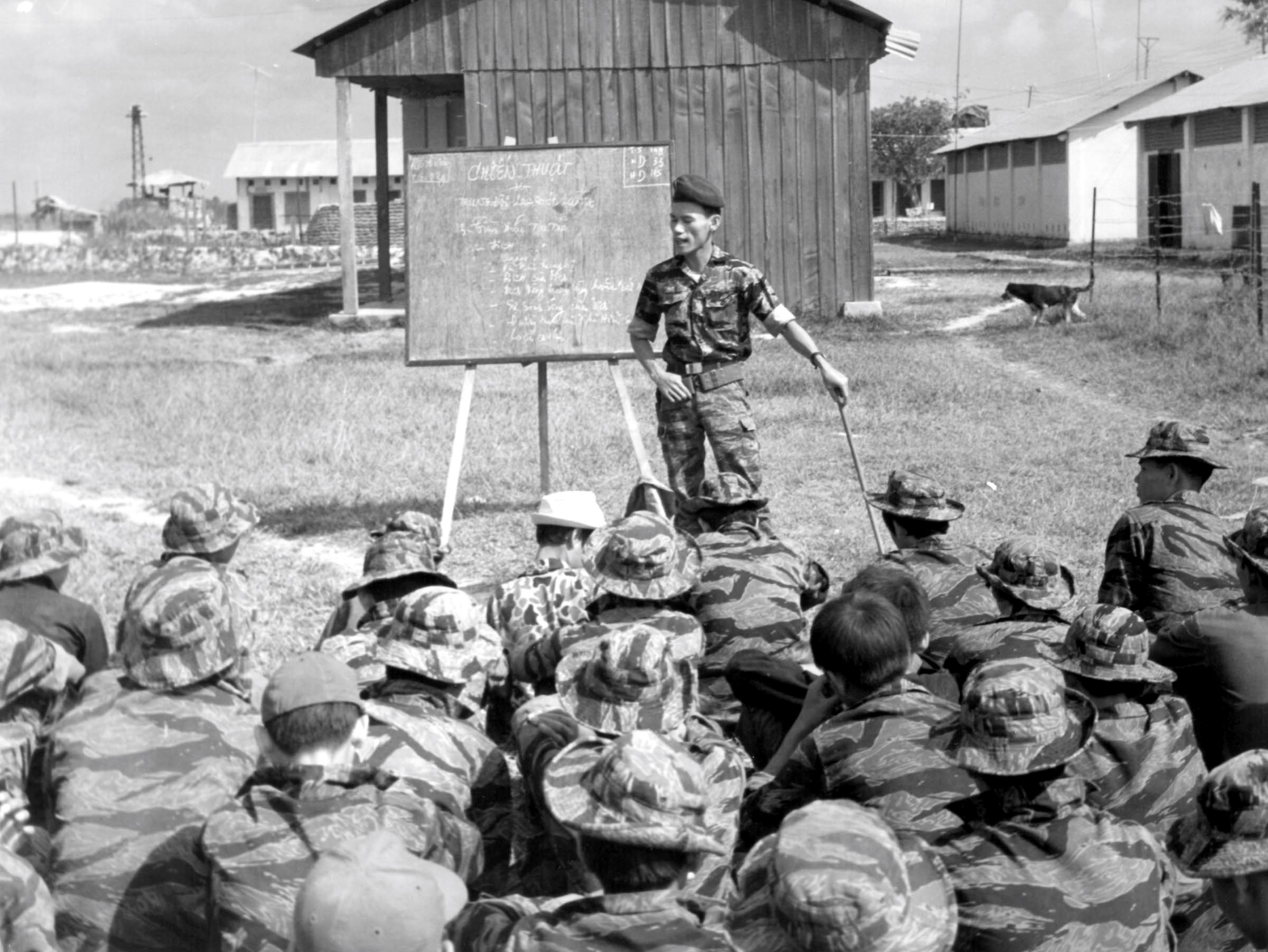
Initially established with CIA support and later administered under U.S. military oversight, the Civilian Irregular Defense Group (CIDG) program fostered a close partnership between the Montagnards and the U.S. Army Special Forces (Green Berets). While several American military and intelligence organizations were active in the region, Special Forces played the leading role in recruiting, training, and advising Montagnard fighters for village defense, reconnaissance, intelligence gathering, and counterinsurgency operations against Viet Cong and North Vietnamese Army forces.
Many Montagnards viewed communist forces with suspicion, while others were primarily motivated by protecting their communities and preserving their cultural autonomy. Although they cooperated closely with both American and South Vietnamese forces, their political goals did not always align perfectly with those of either government.
Warriors, Scouts, and Intelligence Gatherers
Montagnard fighters quickly earned a reputation as some of the most effective irregular troops in South Vietnam. Their ability to move through difficult terrain, track enemy movements, and operate in remote areas made them highly valuable to military planners.
They served as scouts, reconnaissance specialists, village defenders, and members of strike forces that conducted operations against Viet Cong and North Vietnamese units. Their knowledge of local geography enabled them to identify infiltration routes, locate hidden enemy positions, and provide early warning of attacks.
Many Montagnards also supported classified intelligence and cross-border operations in areas near Laos and Cambodia. Their contributions often occurred far from public attention, but they played an important role in gathering information and supporting Special Forces missions throughout the region.
Acts of individual bravery further strengthened the reputation of Montagnard fighters. Stories of indigenous soldiers risking their lives to protect fellow troops became common among Special Forces veterans, who frequently praised their courage, loyalty, and battlefield skill.
The Complexities of Alliance
Despite their close relationship with American advisers, many Montagnards had a difficult relationship with the South Vietnamese government. Long-standing grievances over land rights, political representation, and cultural autonomy remained unresolved throughout much of the war.
These tensions contributed to the emergence of indigenous political movements seeking greater self-determination. In 1964, elements of the Montagnard-led autonomy movement and some Civilian Irregular Defense Group (CIDG) units staged an uprising that highlighted deep frustrations with South Vietnamese government policies. Although the revolt created temporary friction among allies, cooperation against communist forces largely continued afterward.
Organizations such as the United Front for the Liberation of Oppressed Races (FULRO) reflected the desire among some indigenous groups for greater autonomy, illustrating that Montagnard participation in the war cannot be viewed solely through the lens of the Cold War. Many were simultaneously pursuing their own political, cultural, and land-rights objectives.
The Human Cost of Conflict
The war exacted a devastating toll on Montagnard communities. Because many villages were located in strategically important areas, they frequently found themselves caught between opposing military forces.
Thousands of Montagnards were killed during the conflict, while many more were wounded, displaced, or forced to abandon ancestral lands. Large numbers of villages were damaged, destroyed, relocated, or depopulated as fighting intensified across the Central Highlands.
One of the most tragic episodes occurred in 1967 during the Dak Son Massacre, when Viet Cong forces attacked an anti-communist Montagnard village, killing hundreds of civilians. Incidents such as this underscored the vulnerability of indigenous communities trapped in the broader conflict.
The fighting around Dak To in 1967 further demonstrated the hardships faced by the Montagnards, as major military operations in the Central Highlands brought widespread disruption, displacement, and destruction to indigenous communities living near the battlefield.
After the War
The fall of South Vietnam in 1975 dramatically altered the future of the Montagnards. Because many had fought alongside American and South Vietnamese forces, some communities faced political repression, restrictions on religious activities, land disputes, and scrutiny from the new Communist government.
In the years that followed, thousands fled Vietnam, often enduring dangerous journeys through Cambodia and other neighboring countries. Some eventually resettled in the United States through refugee programs.
North Carolina became home to one of the largest Montagnard communities outside Vietnam. There, former fighters and their families established new lives while preserving their languages, traditions, and memories of wartime service.
Legacy and Recognition
Today, the Montagnards are remembered by many veterans and historians as among the most effective indigenous allies of American forces during the Vietnam War. Their contributions to intelligence gathering, village defense, reconnaissance, and guerrilla warfare helped shape military operations throughout the Central Highlands.
Their story also serves as a reminder of the complicated choices faced by indigenous peoples during major conflicts. While many Montagnards fought against communist forces, they were also motivated by a desire to protect their communities and maintain their cultural identity in a rapidly changing political landscape.
Although their role is often overshadowed by larger narratives of the Vietnam War, the Montagnards’ service, sacrifice, and resilience remain an important part of the conflict’s history. Their alliance with U.S. Special Forces stands as one of the most enduring partnerships of the war and continues to be remembered by veterans, descendants, and scholars alike.
