
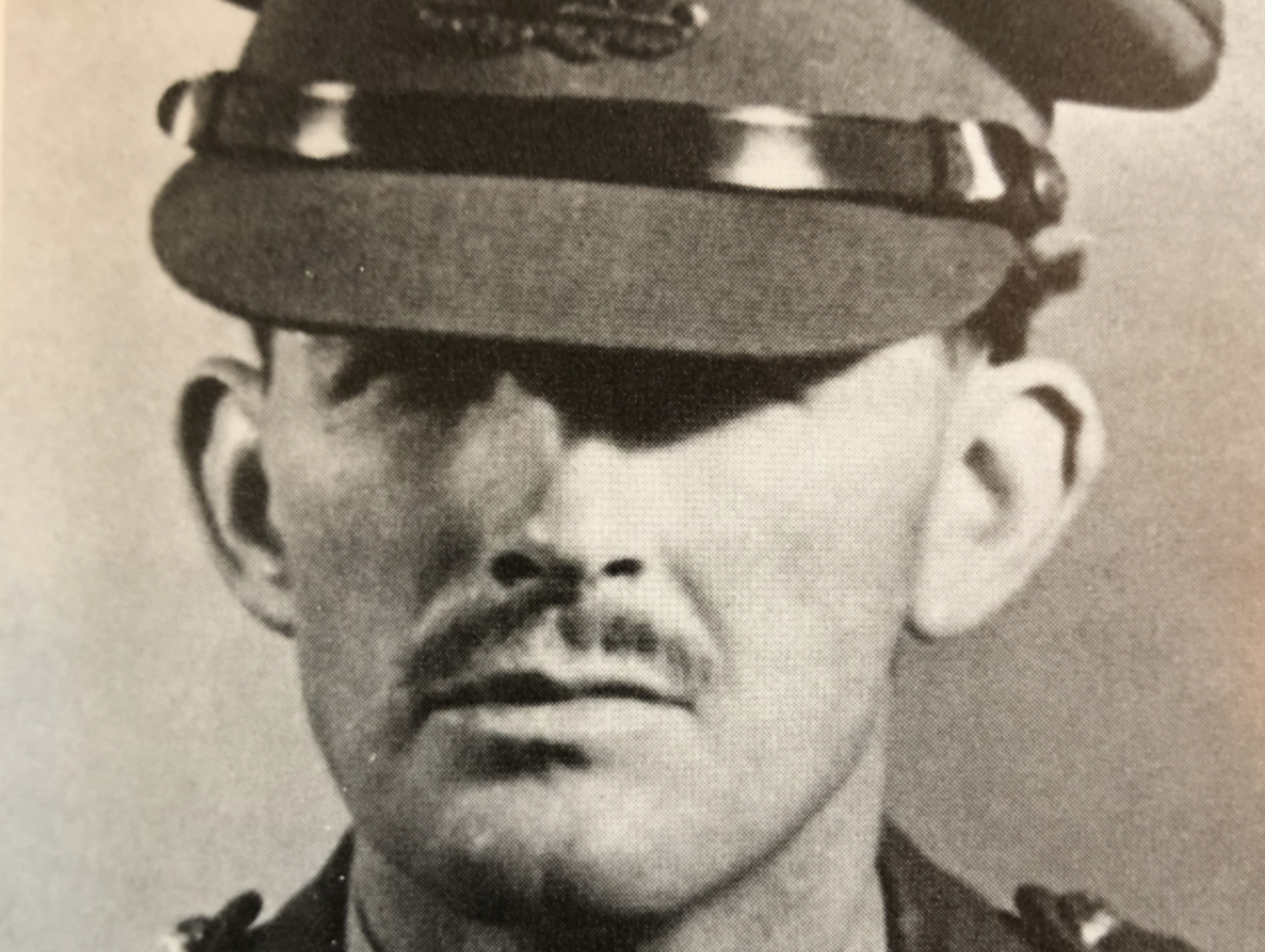
Major Gustavus Henry ‘Gus’ March-Phillipps, DSO, MBE (18 March 1908 – 12 September 1942), was a pioneering British Army officer whose leadership of the Small Scale Raiding Force helped shape the development of British special operations during the Second World War.
As the founder and commander of No. 62 Commando, better known as the Small Scale Raiding Force (SSRF), he helped establish many of the principles associated with small, highly trained raiding units. His emphasis on surprise, initiative, and careful selection of personnel influenced the evolution of British special operations and foreshadowed methods later employed by organizations such as the Special Air Service (SAS).
His daring leadership, unconventional approach to warfare, and willingness to lead from the front earned him a reputation as one of Britain’s most audacious wartime officers. Some historians and biographers have also suggested that he was among several wartime figures who may have influenced Ian Fleming’s conception of James Bond.
Early Life
Gus March-Phillipps was born in England on 18 March 1908. He came from a distinguished family and was educated at Ampleforth College, where he developed a reputation for courage, athleticism, and a willingness to embrace risk. His father, Lisle March-Phillipps, had served in the Second Boer War, and military service was an established part of the family tradition.
Before and during the early years of the Second World War, March-Phillipps served as an officer in the Royal Artillery. He fought with the British Expeditionary Force during the campaigns in France and Belgium in 1940, where his conduct earned him appointment as a Member of the Order of the British Empire (MBE).
From Conventional Soldier to Special Operator
Following the fall of France in 1940, March-Phillipps became increasingly dissatisfied with conventional military methods and developed a strong interest in unconventional warfare. He became associated with the newly formed Special Operations Executive (SOE), Britain’s organization for supporting resistance movements, sabotage, and irregular operations behind enemy lines. Possessing a natural flair for innovation and risk-taking, he quickly emerged as one of the leading advocates of offensive raiding operations against Axis targets.
Before establishing the SSRF, March-Phillipps organized and led the Maid Honor Force, a small SOE-backed raiding group that experimented with techniques later adopted by British special operations units. The force provided valuable practical experience in small-unit amphibious operations and helped shape the concepts that would later define No. 62 Commando.
Creating the Small Scale Raiding Force
Building on these early experiences, March-Phillipps helped create a new organization in 1941 that became known as No. 62 Commando, or the Small Scale Raiding Force (SSRF).
The SSRF was designed to conduct highly specialized raids against enemy targets along occupied coastlines. Unlike traditional military formations, it consisted of a small number of carefully selected volunteers trained for covert amphibious operations, reconnaissance, sabotage, and prisoner-capture missions. The unit’s methods emphasized surprise, flexibility, and initiative, characteristics that would become hallmarks of modern special forces.
March-Phillipps believed that carefully planned raids conducted by highly trained volunteers could achieve strategic results disproportionate to the size of the force involved. This philosophy would become a central principle of British special operations throughout the war.
Operation Postmaster
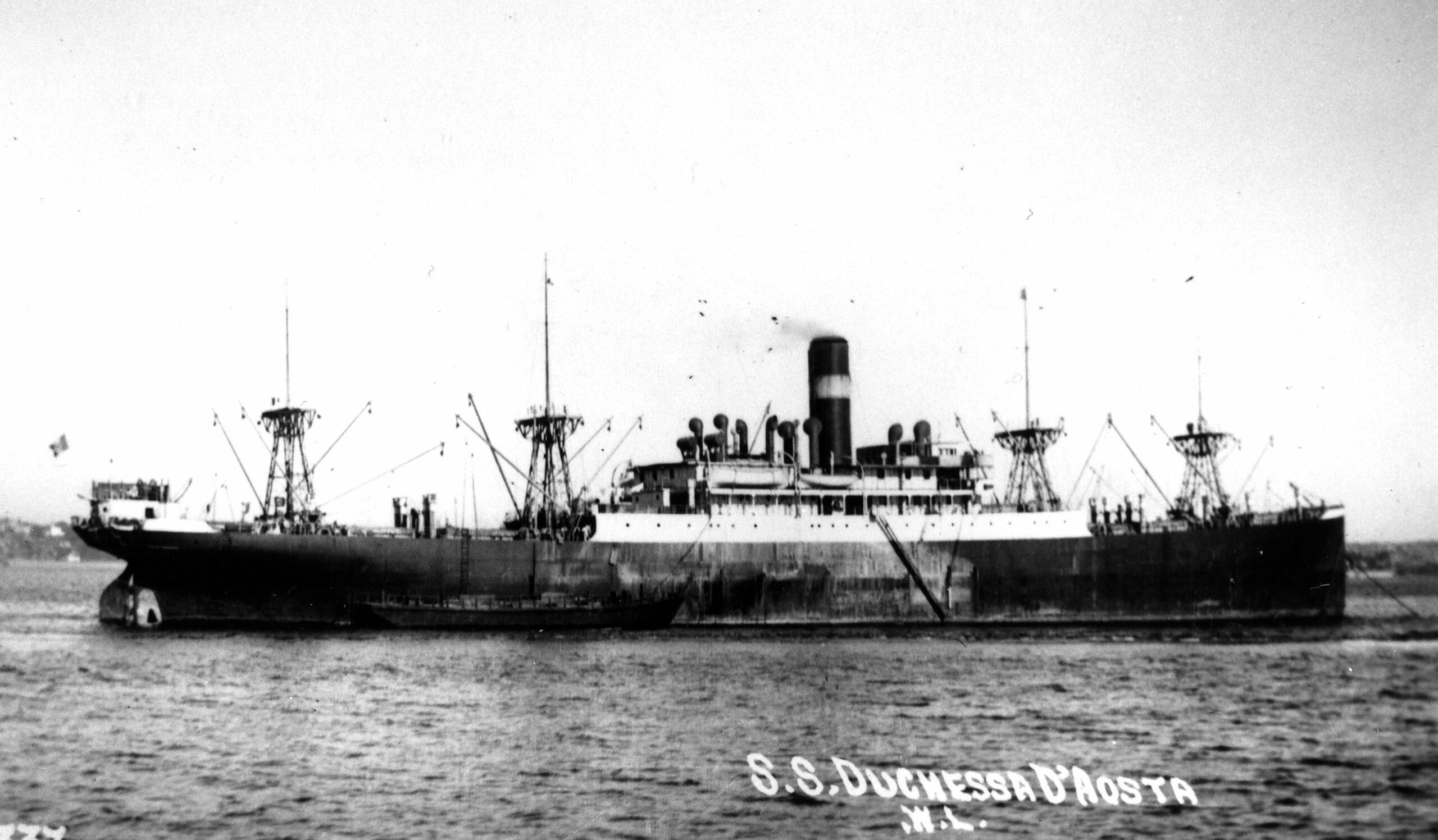
March-Phillipps achieved his greatest success during Operation Postmaster in January 1942. The mission targeted Axis vessels sheltered in the neutral Spanish colonial port of Santa Isabel on the island of Fernando Po (present-day Bioko, Equatorial Guinea). Leading a small force, March-Phillipps and his men secretly boarded and seized enemy ships, including the Italian merchant vessel Duchessa d’Aosta, before towing them away to Allied-controlled territory.
The operation was remarkable not only for its boldness but also for its political sensitivity. Conducted within neutral Spanish territory, it required meticulous planning to avoid direct evidence of British involvement. The raid successfully removed Axis vessels from a neutral harbor while minimizing diplomatic repercussions, and it became one of the most celebrated covert operations of the war.
Military historian Max Hastings later described the mission as a colorful “cutting-out expedition.” For his leadership and bravery during the raid, March-Phillipps was awarded the Distinguished Service Order (DSO).
Further Raids
Under March-Phillipps’ command, the SSRF carried out additional operations, including Operation Barricade and Operation Dryad. Operation Dryad targeted the Casquets Lighthouse in the English Channel and resulted in the capture of German personnel as well as valuable intelligence materials, including codebooks.
These raids demonstrated the effectiveness of small, highly trained units operating behind enemy lines and reinforced the growing importance of special operations within Allied strategy. They also helped validate March-Phillipps’ belief that carefully selected and highly motivated volunteers could achieve objectives that would be difficult or impossible for larger conventional forces.
Leadership Style
Those who served with March-Phillipps remembered him as a charismatic, fearless, and intensely determined leader. He demanded high standards from his men while sharing the risks of every operation himself. Rather than directing raids from a safe distance, he habitually placed himself at the forefront of dangerous missions, earning the respect and loyalty of those who served under him.
His willingness to embrace risk, combined with meticulous planning and a deep understanding of small-unit tactics, helped establish the SSRF’s reputation as one of Britain’s most effective raiding organizations.
Death During Operation Aquatint
March-Phillipps’ final mission was Operation Aquatint, conducted against the German-occupied coast of Normandy in September 1942. The objective was reconnaissance and harassment of enemy defenses. However, the operation encountered serious difficulties when the raiding party landed in the wrong location and soon came under heavy German fire.
During the ensuing confusion, several members of the force were killed, wounded, or captured. March-Phillipps himself was killed on 12 September 1942, aged 34, while attempting to reach shore after his canoe had been damaged. He was subsequently buried at Saint-Laurent-sur-Mer in Normandy.
Personal Life
In April 1942, only a few months before his death, March-Phillipps married Marjorie Stewart, an actress who was associated with the wartime special operations community. Their marriage lasted less than five months before he was killed in action.
Legacy
Although overshadowed by more famous wartime commanders, Gus March-Phillipps played a significant role in the development of Britain’s special forces tradition. The SSRF demonstrated the value of small-scale, high-risk raids conducted by specially trained personnel and helped establish principles that influenced later special operations forces, including the SAS.
More broadly, the SSRF showed that small teams of highly trained volunteers could achieve strategic effects far beyond their numerical strength. Its methods contributed to the continuing development of British special operations doctrine and influenced the evolution of later elite formations involved in reconnaissance, raiding, and maritime special warfare.
His legacy extends beyond military history. While Ian Fleming never identified a single real-life model for James Bond, some historians and biographers have suggested that March-Phillipps was among several wartime figures who contributed to Fleming’s conception of the character. Other individuals frequently cited as possible influences include DuÅ¡ko Popov, Roald Dahl, and various members of Britain’s wartime intelligence and special operations communities.
Interest in March-Phillipps and Operation Postmaster was renewed by the 2024 film The Ministry of Ungentlemanly Warfare, directed by Guy Ritchie. Based on Damien Lewis’s book Churchill’s Secret Warriors: The Explosive True Story of the Special Forces Desperadoes of WWII, the film presents a heavily fictionalized retelling of Operation Postmaster and the early activities of the Special Operations Executive (SOE). Henry Cavill portrays March-Phillipps as the leader of the mission, helping introduce one of the Second World War’s lesser-known special operations pioneers to a wider international audience. Although the film alters timelines, characters, and numerous operational details for dramatic effect, it draws attention to a mission widely regarded as one of the most audacious covert operations of the Second World War.
Although his career as a special operations leader lasted only a short time, March-Phillipps helped demonstrate the effectiveness of precision raids conducted by small, highly trained forces. His ideas, leadership, and operational successes helped shape the development of British special operations during the Second World War, and their influence can still be seen in the principles that underpin modern special forces today.
Today, Gus March-Phillipps is remembered as a courageous innovator whose vision and leadership advanced the practice of special warfare at a critical moment in history. His brief but remarkable career demonstrated how a small group of determined individuals could achieve significant strategic results through skill, audacity, and surprise.
